
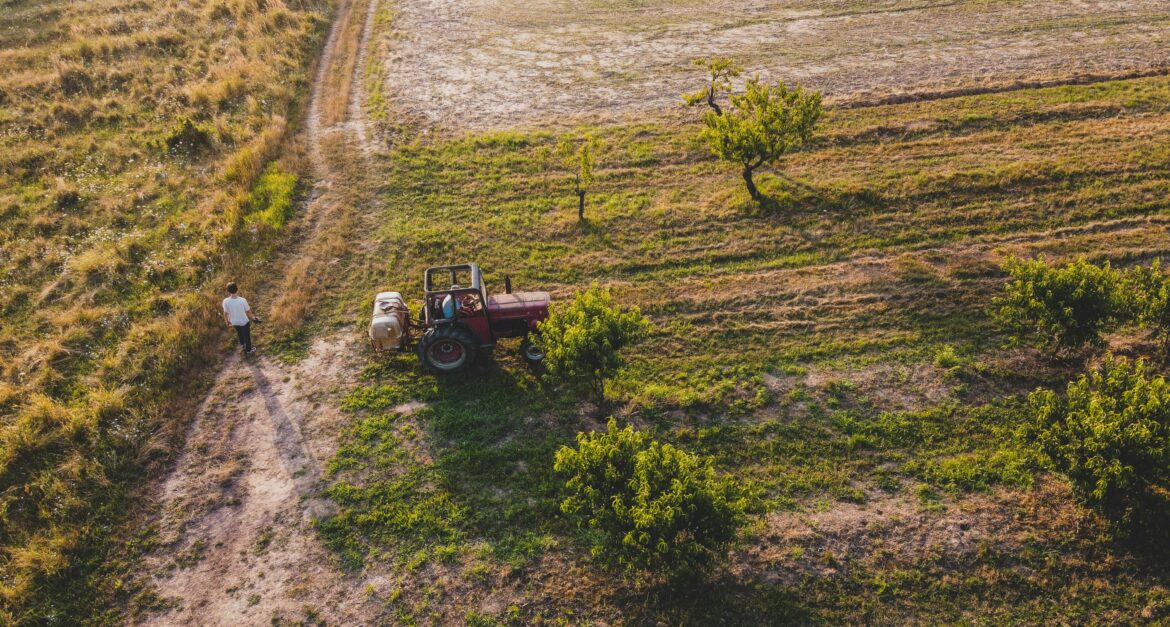
If you are exploring seasonal agriculture jobs Greece has to offer, you will quickly notice two dominant entry-level positions: the general farm hand and the specialized picker. Both roles fall under the broader umbrella of farming jobs in Greece, yet they differ significantly in daily tasks, required skills, earning potential, and long-term opportunities. At Global Workforce, we help job seekers navigate these choices so you can match your strengths with the right Greek agricultural season. Understanding the difference between a farm hand and a specialized picker is the first step toward a productive and profitable harvest season in regions like Crete, Peloponnese, or Central Macedonia.
Seasonal Agriculture Jobs Greece: Why Knowing the Difference Between Farm Hand and Specialized Picker Matters
The Landscape of Greek Agriculture for Entry-Level Workers
Greece is one of Europe’s most important agricultural producers, known for olives, grapes, citrus fruits, tomatoes, and increasingly for organic crops. Each year, thousands of foreign and local workers fill seasonal agriculture jobs in Greece, which rely on workers from April to October. For newcomers, the two most common starting points are the farm hand and the specialized picker. While both roles can provide steady income and valuable European work experience, they cater to different personalities, physical abilities, and career goals.
At Global Workforce, we have placed hundreds of workers into Greek farms. Based on our experience, choosing the wrong role is the number one reason for early-season burnout. Let’s break down each position in detail.
Farm Hand: The All-Round Backbone of the Farm
A farm hand (often called “agrotis” locally) is a generalist. Instead of focusing on one crop or task, you will rotate between duties depending on what the farm needs on a given day.
Typical Responsibilities:
– Preparing soil, tilling, and irrigation setup
– Assisting with planting and transplanting seedlings
– Loading and unloading supplies (fertilizer, tools, harvested crates)
– Basic machinery operation (tractors, sprayers – often with training)
– Cleaning and maintaining farm buildings and equipment
– Helping specialized pickers during peak harvest days
– General fencing, mulching, and weed control
Physical Demands:
Farm hands perform a wider variety of movements: lifting (up to 25 kg regularly), bending, walking long distances, and working in hot greenhouses or open fields. The work is more varied but also more random – you may dig ditches one hour, and sort produce the next.
Required Skills & Experience:
– No previous experience necessary – most farms offer on-the-job training
– Basic understanding of hand tools (shovels, pruning shears, wheelbarrows)
– Ability to follow instructions in English or basic Greek
– Physical stamina for 8–10 hour shifts
Average Pay (2025 season):
– €35–€50 per day (cash, often plus accommodation)
– Some farms pay hourly: €4.50–€6.00/hour before taxes
– With overtime, monthly earnings: €900–€1,300
Best For:
People who enjoy variety, don’t mind getting dirty, and want to learn multiple aspects of farming. Also ideal if you are seeking farming jobs in Greece that could lead to year-round work (e.g., equipment maintenance or greenhouse management).
Specialized Picker: Speed and Precision for High-Value Crops
A specialized picker focuses exclusively on harvesting one type of product – table grapes, olives, oranges, kiwis, or greenhouse vegetables like tomatoes and peppers. The key difference: quality standards are extremely strict.
Typical Responsibilities:
– Harvesting only ripe produce according to size, color, and firmness rules
– Using special tools (grape shears, olive combs, fruit clippers)
– Placing produce carefully into trays or bins to avoid bruising
– Sorting on the spot – rejecting damaged or unripe items
– Moving quickly along rows, sometimes with a rolling platform
– Cleaning harvest containers at the end of the day
Physical Demands:
Repetitive motion is the main challenge. Picking the same crop for weeks requires strong fingers, wrists, and shoulders. You will spend almost all day standing or walking slowly while reaching and bending. The pace is faster than farm hand work, and breaks are shorter during peak ripeness windows.
Required Skills & Experience:
– No degree needed, but speed tests are common during hiring
– Excellent hand-eye coordination and attention to detail
– Ability to work under pressure (farmers inspect random samples)
– Previous harvesting experience (even backyard gardening) is a plus
Average Pay (2025 season):
– Often piece-rate (paid per kilo or per tray) – €0.30–€0.80 per kg depending on crop
– Experienced pickers earn €60–€100 per day
– Beginners may start at €40–€55/day until they build speed
– Monthly potential: €1,200–€2,000 during peak weeks
Best For:
Highly motivated individuals who want to maximize earnings in a short season. Also good for travelers saving money quickly, as many picking jobs include free or cheap accommodation in rural villages.
| Factor | Farm Hand | Specialized Picker |
| Variety of tasks | High | Very low |
| Learning curve | Shallow (1 week) | Steep (first 10 days) |
| Earning ceiling | Lower (daily/hourly) | Higher (piece-rate) |
| Job security | More stable (all-season) | Peak-season only |
| Injury risk | Back, knees, cuts | Repetitive strain, fingertip wounds |
| Social interaction | Moderate (team tasks) | Low (rows of crops alone) |
| Visa sponsorship potential | Often available | Rare – mostly for EU citizens |
Which Role is Right for You? A Decision Framework
Choose Farm Hand if you:
– Prefer a predictable daily/hourly wage
– Like learning different skills (driving, repairs, planting)
– Are new to physical work and want to build endurance gradually
– Want to network with farm owners for longer-term farming jobs in Greece
Choose Specialized Picker if you:
– Are competitive and enjoy performance-based pay
– Have above-average hand speed and patience
– Want the highest possible earnings over 2–3 months
– Don’t mind repetitive tasks as long as the pay reflects the effort
Global Workforce Insight: Almost 65% of workers who start as farmhands switch to picking in their second season, once they understand crop quality standards. Conversely, only 10% of pickers move to farm hand roles – because they cannot accept the lower hourly pay.
Seasonal Agriculture Jobs Greece – Practical Tips for 2026
If you are targeting seasonal agriculture jobs in Greece for the coming harvest, here is what Global Workforce recommends:
- Apply early (January–March) – Olive picking (October–January) and grape harvesting (August–September) fill up months in advance.
- Specify your preferred role – In your CV or application, write “General farm hand – open to all crops” or “Specialized picker – table grapes only.” This helps farms assign you correctly.
- Ask about piece-rate details – Some farms hide deductions for damaged produce. Always get the rate in writing.
- Accommodation matters – Many rural farms offer shared housing for €10–15/day, deducted from pay. Private rooms are rare.
- Legal status – Non-EU workers need a seasonal work permit (usually valid up to 9 months). Global Workforce can guide you through the Greek administrative process.
Real-Life Example: Two Workers, Two Paths
Case A – Marco, 22, from Albania (Farm Hand)
Marco started as a farm hand in a mixed olive and vegetable farm near Kalamata. He learned to operate a small tractor and irrigation system. After 4 months, the owner promoted him to assistant manager. He now earns €1,400/month plus a private room. Marco will likely get a two-year contract.
Case B – Elena, 26, from Bulgaria (Specialized Picker)
Elena joined a kiwi harvest operation in Kavala. Her first week was brutal – only €38/day. By week three, she was the fastest picker on her team, earning €110/day. She worked 9 weeks, saved €4,500, and returned home to open a small online fruit shop.
Both found farming jobs in Greece through Global Workforce. Their experience shows that neither role is “better” overall – only better for your personal goals.
How to Find These Jobs as a Foreign Applicant
Many international workers assume that seasonal agriculture jobs in Greece are only for locals or EU citizens. That is not entirely true. Greek farms face severe labor shortages, especially in Crete, Thessaly, and the Peloponnese. However, you must be proactive.
Conclusion: Your Entry Point into Greek Agriculture
Deciding between a farm hand and a specialized picker is not about finding an “easier” job – it is about matching your work style to the demands of Greek fields and orchards. Farm hands enjoy variety and stability, while specialized pickers chase higher earnings through speed and precision. Both roles offer authentic farming jobs in Greece with the added benefit of experiencing Mediterranean rural life.
Global Workforce encourages you to assess your physical limits, financial needs, and desire for skill growth before signing any contract. A tomato picker who hates repetitive tasks will quit within two weeks. A farm hand who dislikes unpredictable schedules will grow frustrated. But for the right person, seasonal agricultural jobs in Greece provide not just a paycheck, but a gateway to European work experience, language skills, and sometimes even permanent residency.
Are you ready to start? Contact Global Workforce for verified listings of farm hand and specialized picker positions across Greece. Your harvest season awaits.