
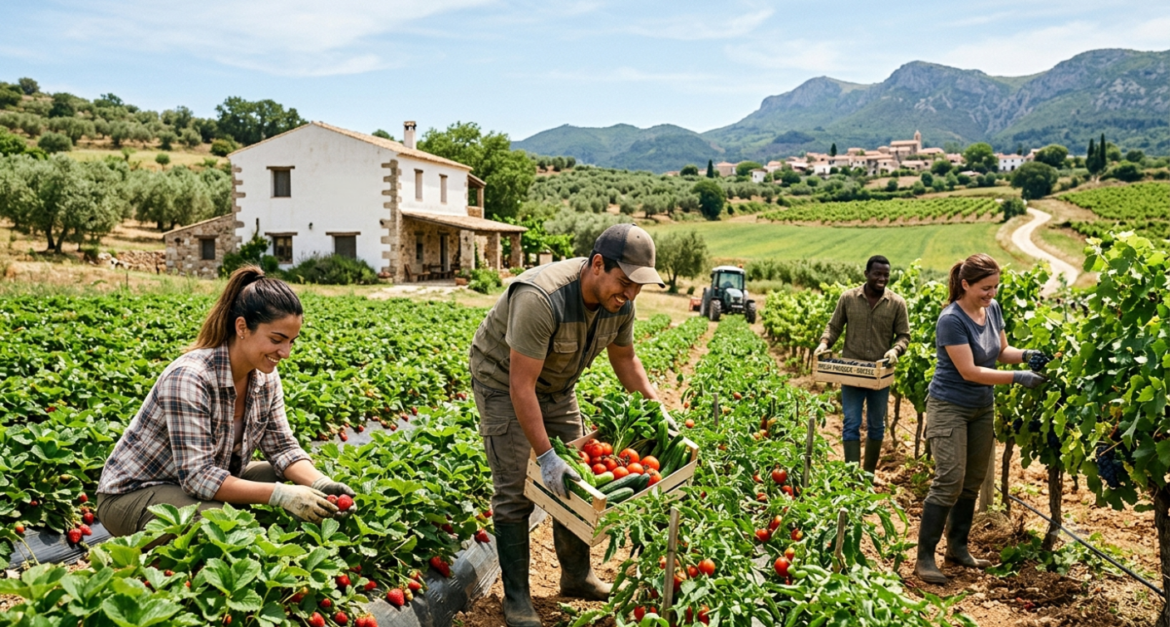
Dreaming of spending a season working under the Mediterranean sun, harvesting olives in Greece, picking fresh berries in Scandinavia, or working in the lush orchards of Western Europe?
Seasonal farm work across Europe has exploded in popularity. It is no longer just a job; it is a gateway for international workers to experience European life, earn a competitive income, and save nearly everything they make. Because agriculture faces massive labor shortages across the continent, European farm owners are offering incredible incentives to attract reliable workers. The biggest perk of them all? Free housing.
Accommodation is typically a worker’s highest living expense. Eliminating that cost changes the financial equation entirely, allowing you to send money home or fund your future travels.
This ultimate guide breaks down exactly how the European seasonal market works, spotlights the booming demand for agricultural jobs in Greece, and shows you how to securely land a contract with accommodation included.
Why Europe’s Agriculture Sector Wants You
European farms are among the most productive in the world, supplying everything from dairy and grains to premium fruits and wines. However, crops wait for no one. When harvest season hits, a farm that functions smoothly with five permanent staff suddenly needs fifty pairs of hands to bring in the yield before it spoils.
Because domestic labor supply cannot keep up with this intense seasonal demand, EU countries rely heavily on a global workforce. To smooth out this process, governments have streamlined seasonal worker visa programs. These initiatives allow non-EU nationals to enter the country legally for periods typically ranging from 3 to 9 months.
To stand out to international applicants, farmers know they need to offer more than just an hourly wage. Free on-site housing, subsidized utilities, and sometimes even complimentary meals have become standard industry incentives to keep workers happy, focused, and productive.
Spotlighting a Top Destination: Agriculture Jobs in Greece
While there are opportunities spanning from Spain to Germany, one country stands out for its rich agricultural heritage, long growing seasons, and deep demand for international labor: Greece.
Agriculture is a cornerstone of the Greek economy. The country’s unique Mediterranean climate allows for a staggering variety of crops. If you are searching for agriculture jobs in Greece, your year will look like a vibrant agricultural calendar:
- The Olive Harvest (October – February): Greece is legendary for its olive oil. The olive harvest requires intense, hands-on labor to shake, gather, and sort the fruit. Because it takes place during the cooler winter months, it is a highly popular option for workers looking to avoid extreme summer heat.
- The Citrus Boom (Winter to Spring): Oranges, lemons, and mandarins dominate the plains of Argolis and parts of Crete, providing steady work when the rest of Europe is covered in snow.
- Summer Fruits (May – September): The warmer months bring a massive rush for peaches, nectarines, apricots, and strawberries in regions like Macedonia and Thessaly, followed quickly by the historic grape harvests for world-class Greek wines.
Working on a Greek farm gives you a front-row seat to traditional Mediterranean life. Most farms providing seasonal positions are located in stunning, rural landscapes, close to historic coastal villages or rolling mountain ranges.
Navigating the Hiring Process: How a Recruitment Agency in Greece Can Help
Trying to find a job in a foreign country on your own can feel overwhelming. You have to worry about language barriers, verifying if a farm owner is legitimate, and sorting out complex visa paperwork.
This is exactly where utilizing a reputable recruitment agency in Greece becomes your ultimate shortcut to success.
Ethical, licensed agencies bridge the gap between global workers and local Greek farmers. Here is why partnering with an agency is the safest and most efficient path to your European farm job:
Vetted Employers: A local agency ensures that the farm you are signing up with is legally compliant, pays fair wages, and provides safe, sanitary, and comfortable living conditions. They filter out the bad actors so you don’t have to risk your safety.
No Recruitment Fees for Workers: Under international labor standards and EU laws, legitimate recruitment agencies do not charge the job seeker a fee to find them work. Their costs are covered by the employers. If an agency asks you for money upfront just to give you a job application, walk away.
Bureaucracy and Visa Support: Getting a seasonal work visa involves navigating bureaucratic steps with Greek embassies and ministries. An agency walks you through the precise paperwork required, minimizing the risk of your visa application being delayed or rejected.
When looking for a recruitment agency in Greece, check their track record, look for transparency in their job postings, and ensure they explicitly state the terms of your accommodation and compensation before you leave your home country.
What Does “Free Housing” Actually Look Like?
When a job description promises free accommodation, it is important to align your expectations with reality. Farm housing is designed to be functional, clean, and community-oriented. It is rarely a luxury hotel, but it provides everything a hard-working individual needs.
Depending on the size and type of the farm, your housing will generally fall into one of these categories:
- On-Farm Shared Dormitories/Cabins: Large estates often feature dedicated housing blocks or modern modular cabins on the property. You will typically share a bedroom with one or two colleagues of the same gender, with communal access to fully equipped kitchens, bathrooms, and laundry facilities.
- Repurposed Local Apartments: In smaller villages or island communities, farmers frequently rent out local apartments or guest houses for their seasonal crew. This setup often gives you a taste of local neighborhood life.
- What is expected of you: Free housing is a privilege that comes with rules. Workers are expected to keep common areas clean, respect quiet hours so everyone can rest for early morning shifts, and take care of the property.
Step-by-Step Blueprint to Secure Your Seasonal Farm Job
Ready to leap? Follow this tactical roadmap to land your seasonal contract safely:
Step 1: Prepare Your “Agri-Resume”
Even if you don’t have extensive farming experience, tailor your resume to highlight physical fitness, reliability, outdoor work experience, or any manual skills (like carpentry, mechanical repair, or driving tractors).
Step 2: Use Official Channels and Trusted Portals
Start your search on reliable platforms. Additionally, look for established staffing firms specializing in international placement. For a massive head start on understanding the exact mechanics of visas, contracts, and pathways, read this in-depth breakdown: From Farm to Visa: A Complete Guide to Seasonal and Permanent Agriculture Jobs in Europe.
Step 3: Connect with Local Agencies
Reach out directly to a verified recruitment agency in Greece or your chosen destination country. Submit your updated profile and clearly state your availability dates.
Step 4: The Interview and Contract Review
When a farm shows interest, you will likely have a video interview. Use this opportunity to confirm the fine print: What are the working hours? Is the housing truly free, or are utilities deducted? How far is the accommodation from the nearest town? Get these details in a written contract before committing.
Step 5: Visa and Travel Logistics
Once your contract is signed, the employer or agency will initiate the work permit application in Europe. Once approved, you will visit your local embassy to stamp the visa into your passport, pack your sturdy boots, and book your flight!
Your European Adventure Awaits
Seasonal agriculture jobs in Europe offer a rare combination of honest, fulfilling work, cultural immersion, and financial savings. By zeroing in on high-demand regions like Greece and utilizing the safety net of professional recruitment agencies, you can secure a legitimate role that takes care of your biggest overhead cost: housing.
Treat the land with respect, work hard during your shifts, and you will walk away from your season with a heavier bank account, lifelong friendships, and unforgettable memories of the European countryside.